What a Fall Roof Check Actually Looks For in Saratoga
Why September, and why here
Saratoga's rainy season arrives reliably in November. By September the roof has been sitting through six-plus months of UV exposure, summer heat, and the occasional dry Santa Cruz Mountains wind. That combination degrades roofing material more than most owners realize, and it does it quietly. Of the 6,033 parcels in this market with a known build year, 4,637 predate 1980. Many of those carry roofs with multiple layers of history underneath whatever is on top now. A few hours in September, before the first atmospheric river, is the cheapest insurance available.
Saratoga's homes, from the record
| Built | Homes |
|---|---|
| before 1940 | 187 |
| 1940-1959 | 1,720 |
| 1960-1979 | 2,730 |
| 1980-1999 | 730 |
| 2000 or later | 666 |
| Single-family homes | 5,568 |
|---|---|
| Median lot | 12,996 sq ft |
| On an acre or more | 855 |
| Median size | 2,677 sq ft |
6,033 of 6,167 parcels in this market's record have a known build year.
What you can actually see from the ground
You do not need to get on the roof to form a useful first impression. Stand at the corners of the property with binoculars if you have them.
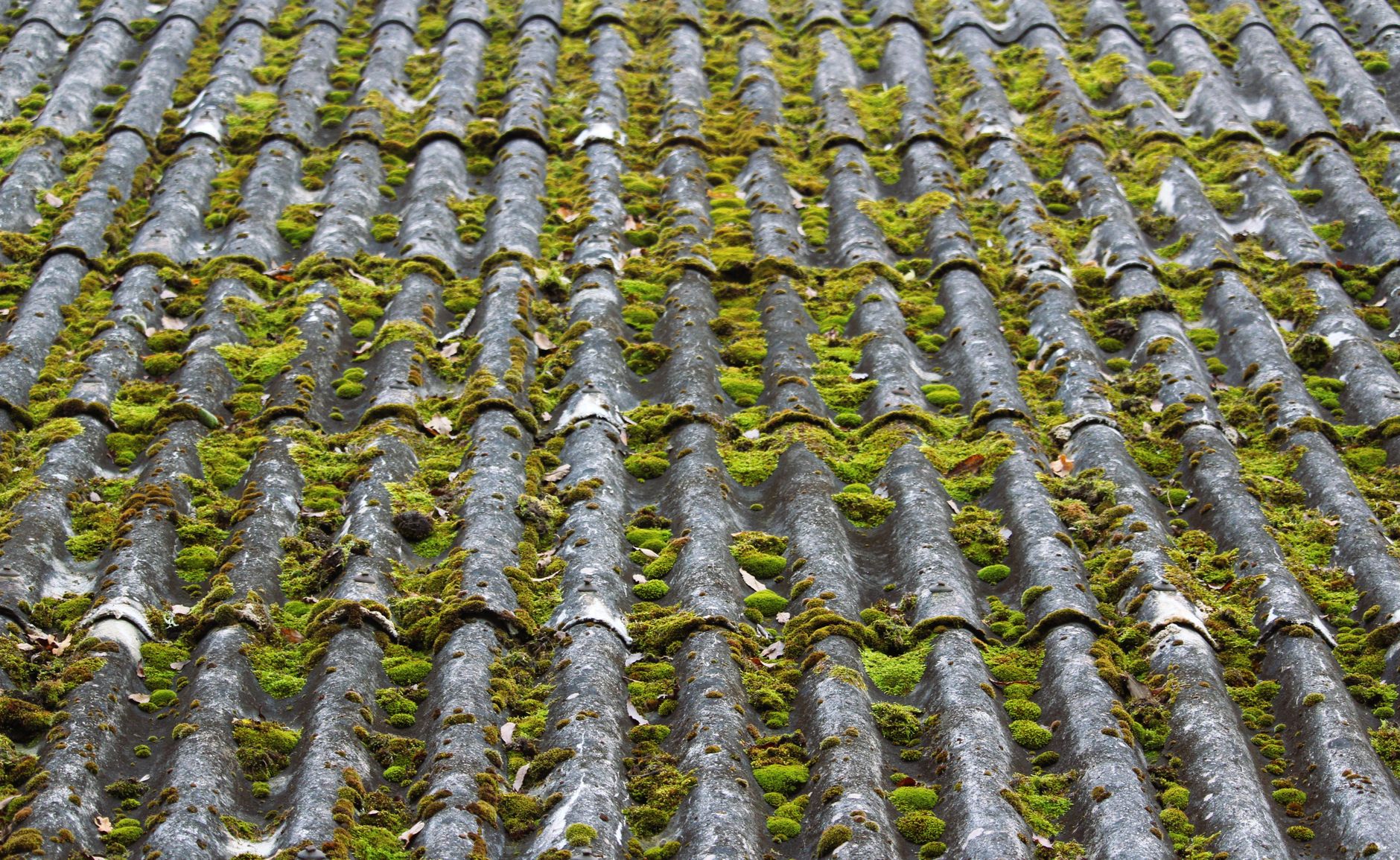
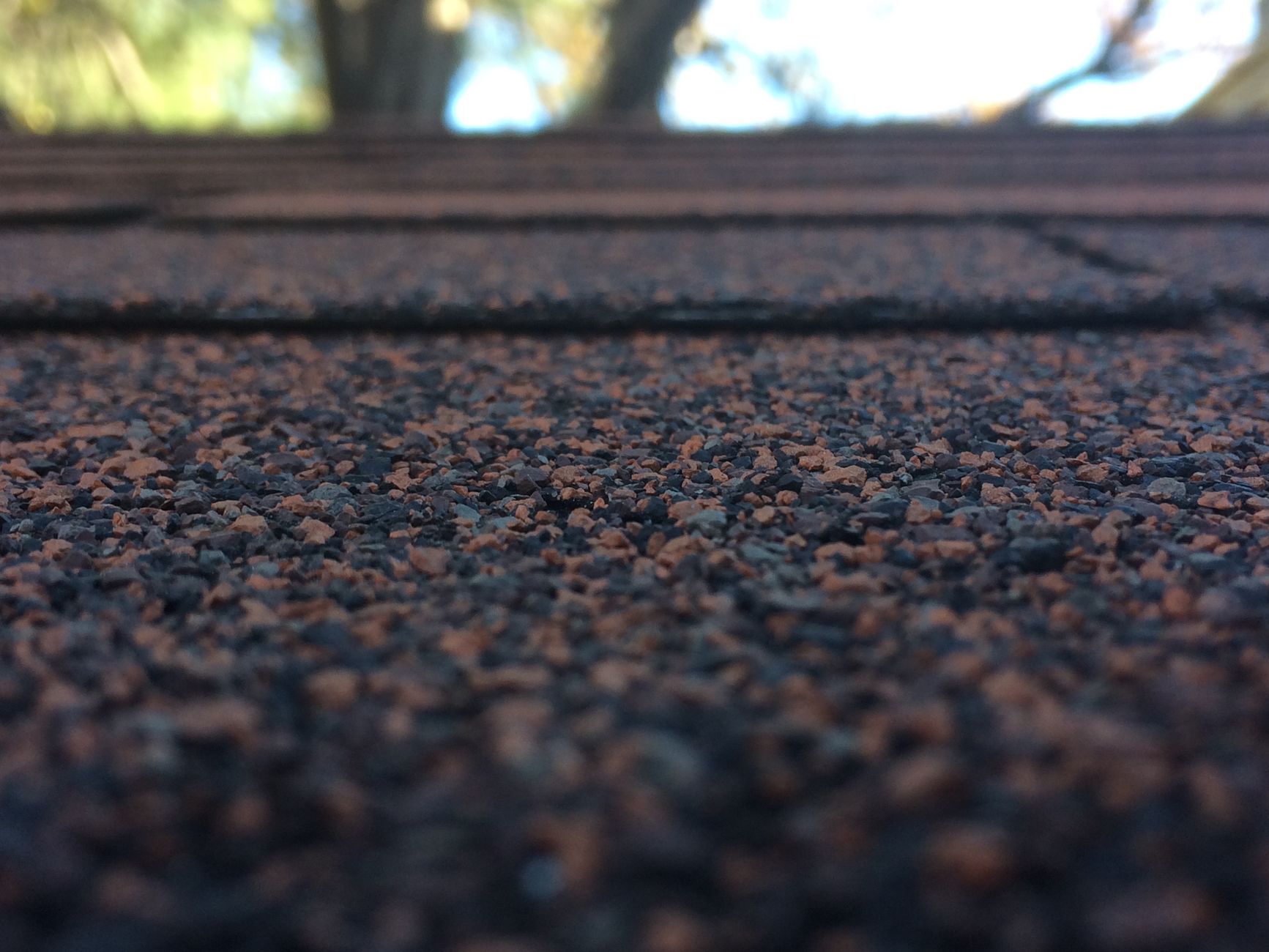
Shingle condition on the slopes. Look for curling at the edges, cupping across the face, or shingles that have lost their granule texture and appear shiny or bare. On a composition roof, granules are the UV and weather protection. Once they wash into the gutters, the clock is running. Older homes from the 1960s and 1970s — the dominant build era in this market — may be on their second or third roof, and that history matters: some were re-roofed over the original, adding weight and hiding the condition of the decking underneath.
Valleys. The V-shaped channels where two roof planes meet collect everything: water, leaves, debris from the oaks and redwoods common on Saratoga lots. From the ground you are looking for dark staining along the valley line, missing or lifted valley metal, or visible gaps where the material has separated. Valleys fail before flat slopes do, almost without exception.
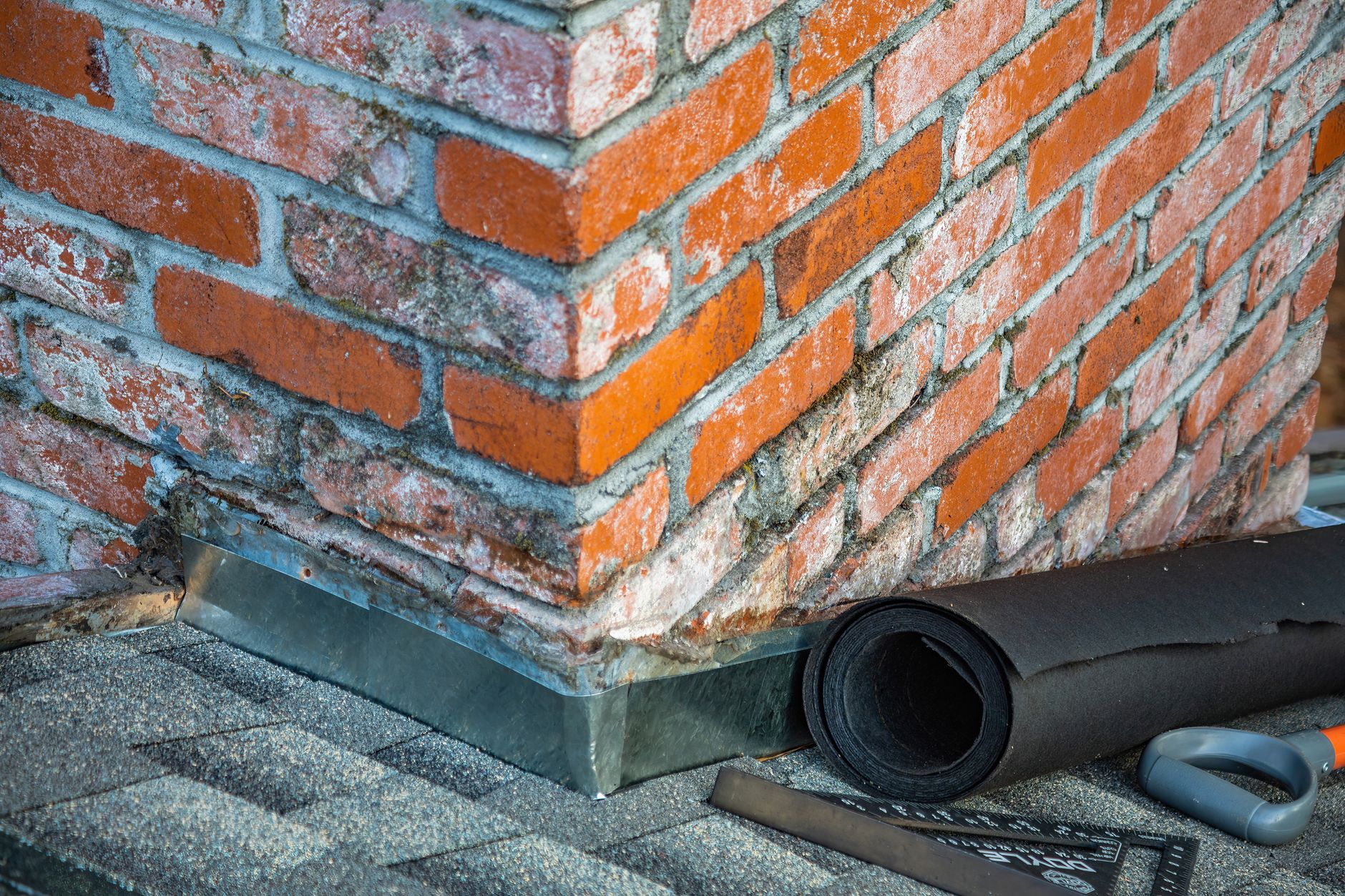
Flashing. This is the thin metal (usually aluminum or galvanized steel) at every point where the roof meets something vertical — a chimney, a dormer, a parapet, a skylight curb. Look for rust streaks running down the vertical surface below the flashing, white efflorescence on brick chimneys, or flashing that is visibly lifted, bent, or caulked over in multiple layers. Repeated caulking is a sign that the flashing has been patching rather than sealing for years.
Penetrations. Every pipe boot, vent collar, and exhaust cap is a potential entry point. Rubber pipe boots crack in UV over time. From the ground you can sometimes see a collar that sits crooked or a boot that is visibly split at the base. If the roofline is not visible from grade, a second-story window or a safe vantage on a neighboring grade change can help.
Moss and algae. The north-facing slopes on Saratoga lots — especially those with significant tree canopy, which is common on the larger parcels in the foothills — hold moisture longer and grow moss readily. A little green tinge is cosmetic. Thick, established moss is structural: the root-like structures lift shingle edges and hold water against the surface. Algae shows as dark streaking and is generally less damaging but signals chronic moisture.
Gutters as evidence. You cannot see the roof surface directly from under the eaves, but you can pull the downspout screen or look into the gutter. A significant accumulation of granules after a season with no major storms is a leading indicator of shingle wear.
Build era and what it means for your roof
The 1,720 homes built between 1940 and 1959, and the 2,730 built in the 1960s and 1970s, were constructed when asphalt shingle standards, underlayment requirements, and flashing practices were different from today. Skylights were often added later as retrofits, and retrofit penetrations cut into an aging deck are a common leak source. Homes from this era may also have original wood shake underneath a composition overlay — a combination that holds moisture and can conceal rot in the decking that only shows up once the new roof is off.
Homes built between 1980 and 1999 may be reaching the end of a standard composition shingle lifespan, depending on when they were last re-roofed. The 666 homes built in 2000 or later are the least likely to have systemic issues, but their flashing and penetration seals are still worth checking.
When to stop looking and call a roofer
A ground-level inspection tells you whether to escalate, not whether you have a problem. Call a licensed roofing contractor if you see any of the following:
- Daylight visible through a roofline from inside the attic
- Active staining on attic sheathing or rafters
- Flashing that is visibly separated from a chimney or wall
- Shingles missing entirely, not just granule-depleted
- Any moss thick enough to feel spongy if you could touch it
A roofer will walk the surface and probe with a moisture meter. On a complex Saratoga hillside house with multiple roof planes, that physical inspection is not optional — it is the only way to know what is underneath.
Where to check
No official links were used in this article. For permit requirements related to roofing work in Saratoga, contact the City of Saratoga Community Development Department directly.
Tim McMullen · CA DRE #02016832
[email protected] · (415) 691-9272
More from Saratoga
Five townhouses, one development, one day: Saratoga's entire October 11 feed explained
Every listing that appeared on the Saratoga feed on October 11 was a townhouse from the same new-construction project, priced between $1.67M and $2.07M. Nothing went pending and nothing closed.
Saratoga's only October 13 listing asks $4 million — and details are still missing
14180 Perata Court came on at $3,998,000 — the only move in the city that day. Here is what the record shows and where it sits against the broader market.
Cottonwood Place Has Seven Near-Identical Plan 2s Listed — This One Undercuts Six of Them
11325 Cottonwood Place asks $1,899,043 — below the $1,855,888 median of 27 comparable condo and townhome sales in the past 12 months, and below seven of the eight nearest Plan 2 comps. It sits at the 8th percentile of all active Saratoga listings.