Closing the Gaps: How Saratoga Homes Let Embers In — and What to Do About It
Why Saratoga houses need this work now
Of the roughly 6,000 parcels in Saratoga's parcel record, more than 4,400 were built before 1978. Most of the single-family stock — median year built 1967 — predates any wildfire-hardening standard by decades. At the same time, Saratoga is one of six communities in Santa Clara County with zones designated as Very High Fire Hazard Severity by CAL FIRE, and the city's WUI covers the western hillsides where many of those older homes sit.
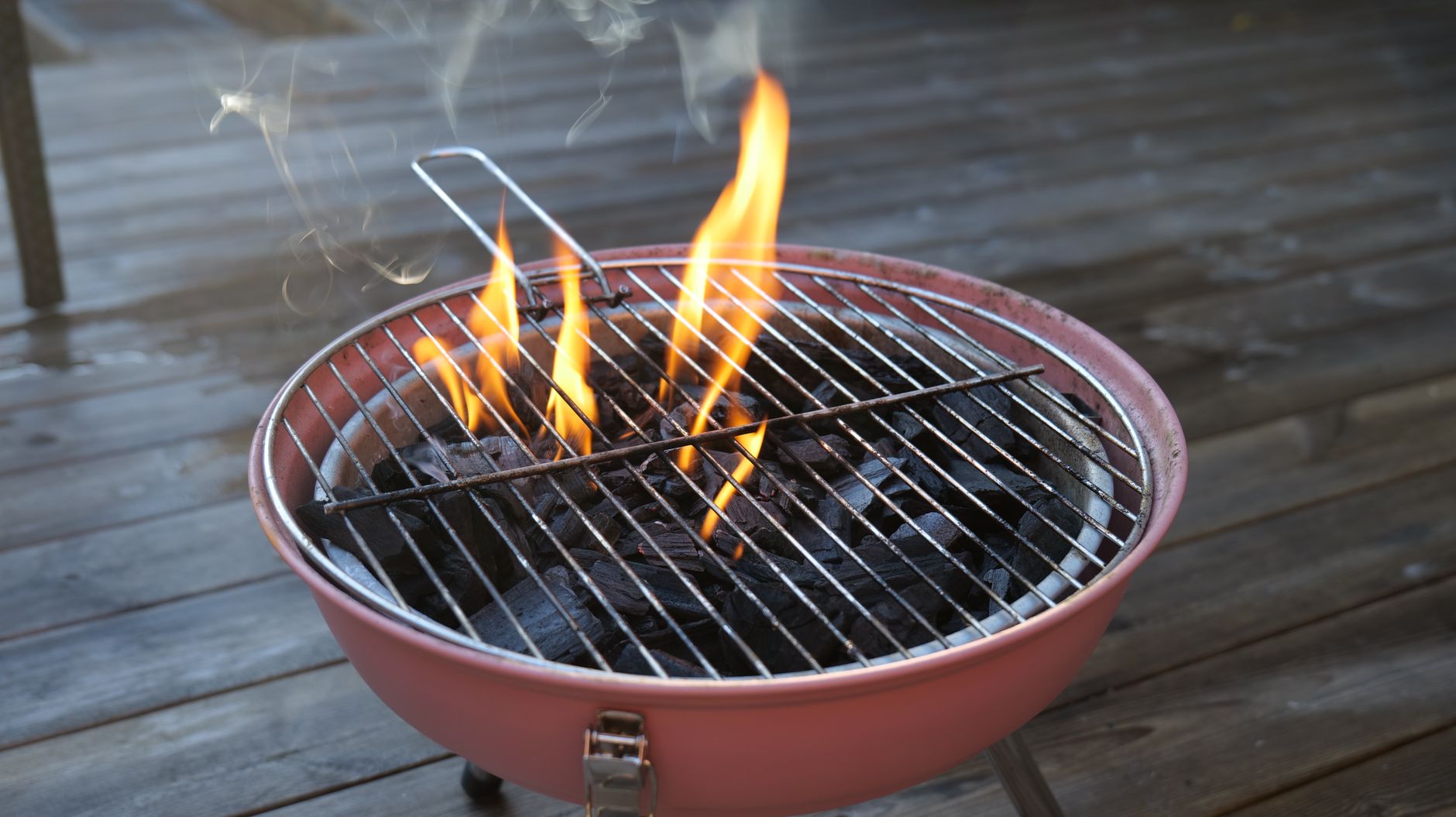
The physics of why this matters: 60 to 90 percent of home ignitions in wildfires occur because of embers, not direct flame contact. Embers are small, light, and numerous — they reach structures long before a fire front does, and they find every gap a builder left behind in 1965.
Saratoga's homes, from the record
| Built | Homes |
|---|---|
| before 1940 | 187 |
| 1940-1959 | 1,720 |
| 1960-1979 | 2,730 |
| 1980-1999 | 730 |
| 2000 or later | 666 |
| Single-family homes | 5,568 |
|---|---|
| Median lot | 12,996 sq ft |
| On an acre or more | 855 |
| Median size | 2,677 sq ft |
6,033 of 6,167 parcels in this market's record have a known build year.
The order of work that makes sense
Start with the elements that cost the least and remove the most fuel. Then move to structural upgrades when components reach the end of their useful life, or when a permit-required project gives you the opportunity.
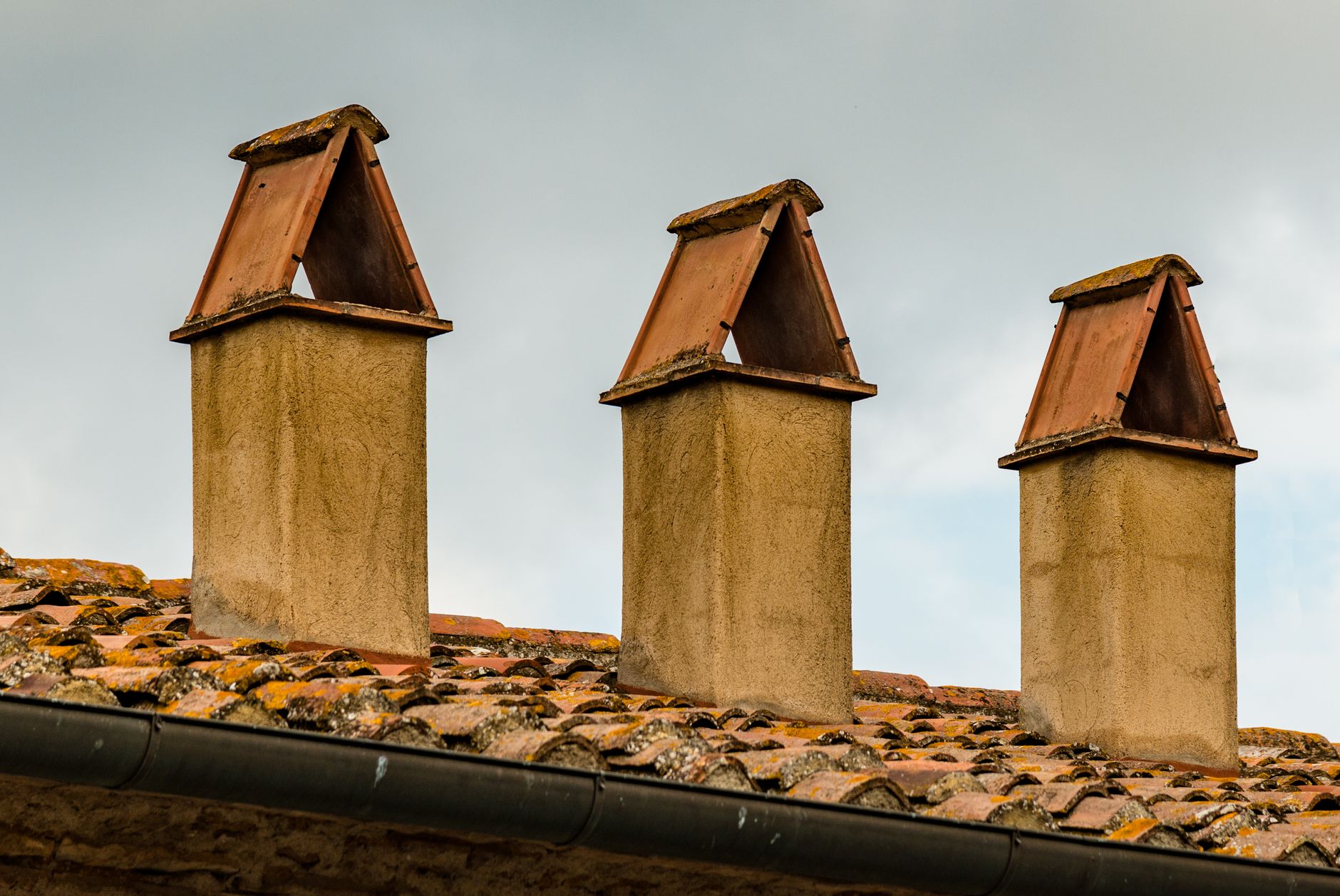
1. Clear the site first — then harden the shell
The first five feet from your home is the most important zone. Embers land there constantly during a fire event. Before spending anything on materials, remove dead plants, pine needles, leaf litter, and debris from the roof, gutters, deck surface, porch, and any area beneath the house. No combustible bark mulch within five feet; replace it with gravel, pavers, or decomposed granite.
This step costs almost nothing and is not optional — all properties in the WUI are subject to Brush Abatement requirements, and properties throughout Saratoga are inspected annually.
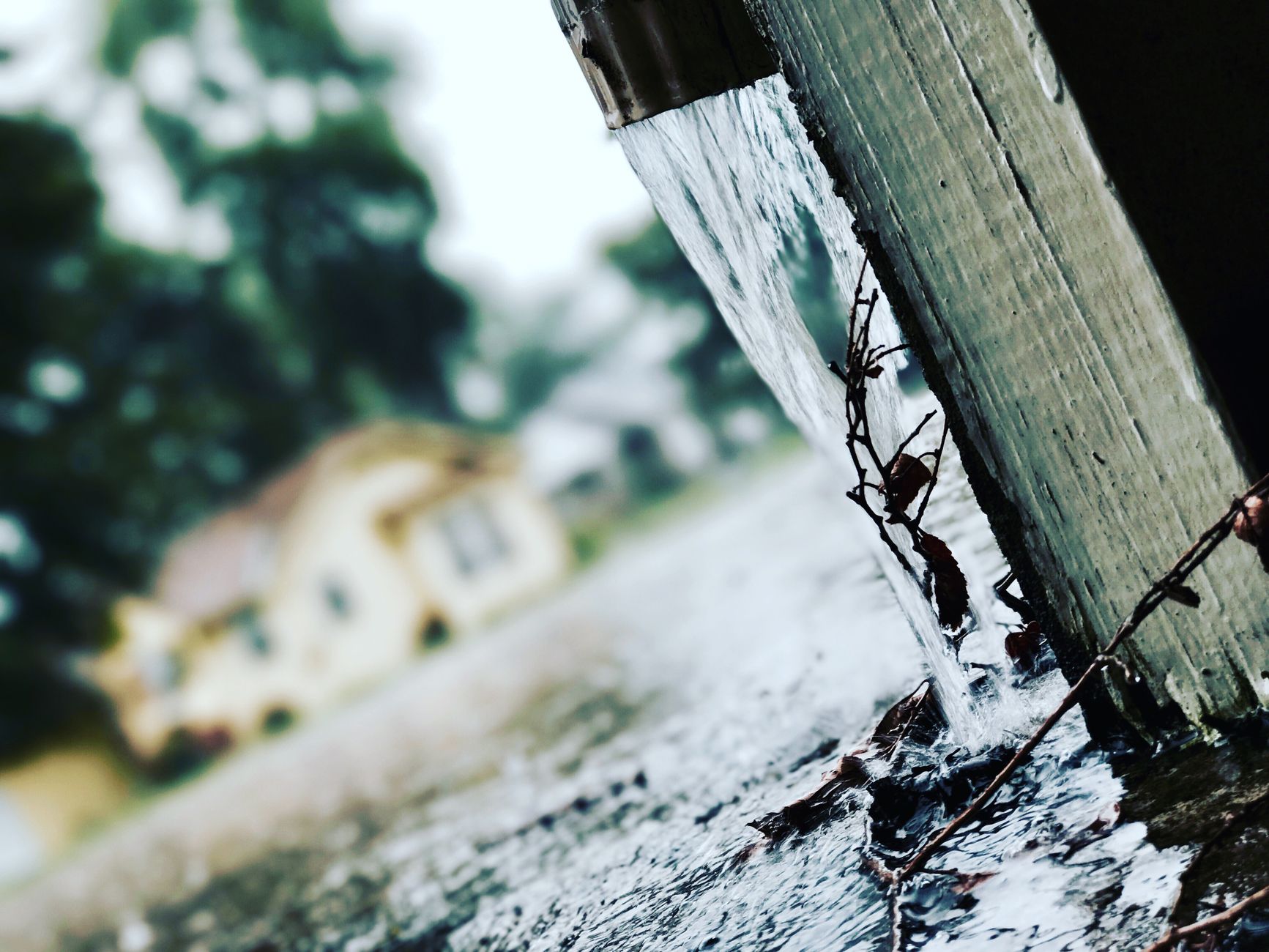
2. Gutters — the most common ember trap
Embers can create spot fires when they land on combustible materials such as accumulated gutter debris, and can enter the home through small openings or vents. Clean gutters are the minimum. But clean plastic gutters are still a hazard: gutters made of combustible materials such as vinyl can catch fire and expose unprotected combustible areas of your roof assembly.
The City of Saratoga's own fire prevention guidance spells out the standard: gutters and downspouts must be of non-combustible or ignition-resistant materials — no plastic. At replacement time, metal is the direct substitute. In the meantime, at a minimum, install a noncombustible gutter cover to reduce the buildup of debris, and ensure your roof has a metal drip edge installed that completely covers the space above your gutter system.
3. Vents — where embers enter the structure itself
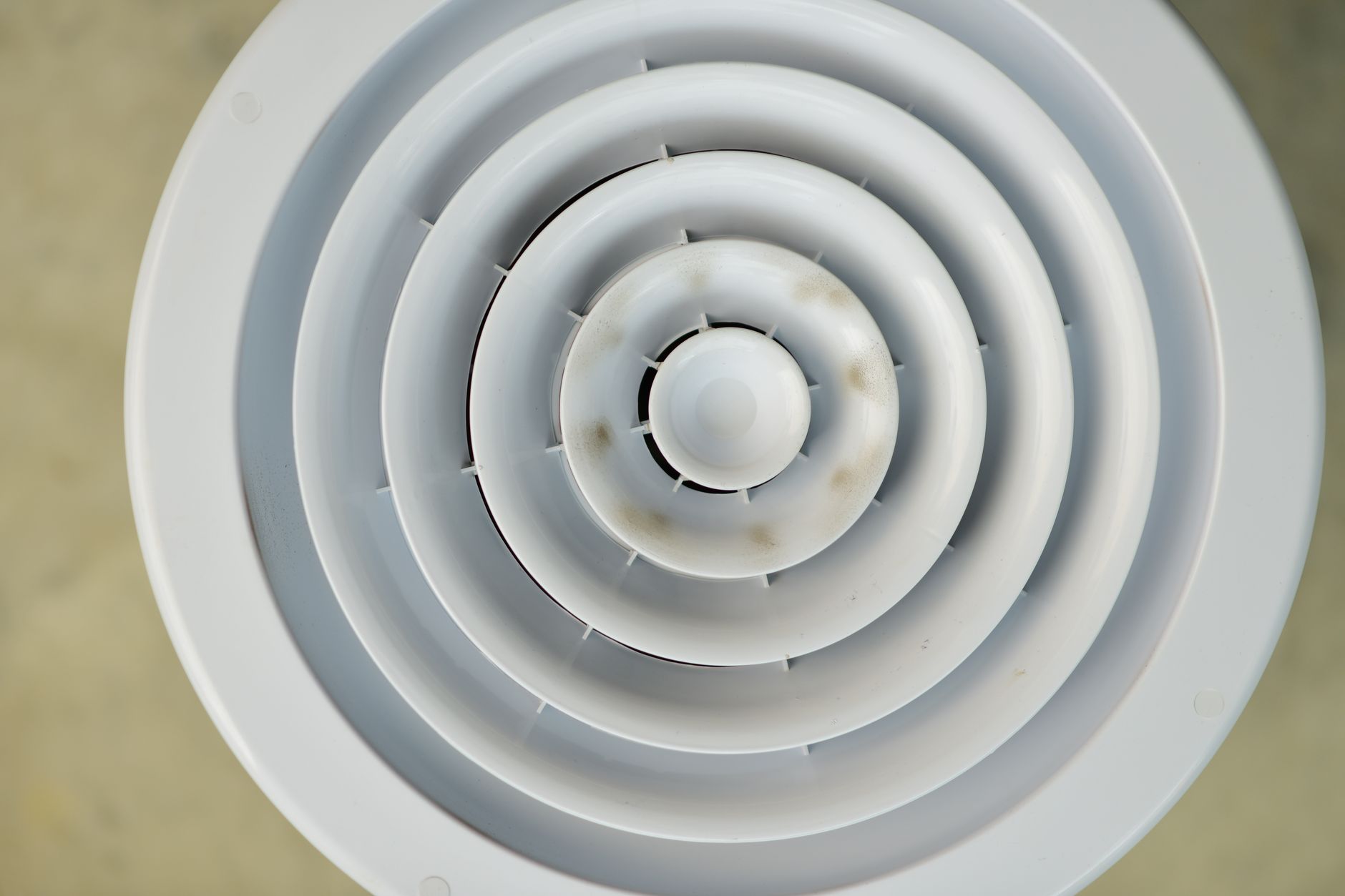
This is the most consequential upgrade for an older Saratoga house. Access points such as attic or crawlspace vents are areas where embers or flames can enter and ignite combustible materials inside your home. Vents with openings larger than 1/8 inch are particularly exposed.
The California State Fire Marshal's guidance is direct: for fire protection, it is recommended to replace vents with California State Fire Marshal-approved flame and ember-resistant vents, or cover them with noncombustible, corrosion-resistant metal mesh between 1/16 and 1/8 inch in diameter. The OSFM maintains a WUI Products Handbook listing tested and approved vent products. Vents constructed of flammable materials such as plastic are highly vulnerable — and a significant share of pre-1978 Saratoga homes will have exactly that.
The City of Saratoga confirms the same standard: vents must be an approved type to prevent embers from infiltrating, and if fire hits the vent they shut close via intumescent materials.
One practical note: modifying attic ventilation can affect building code compliance for airflow. Consult your local building official for ventilation requirements before replacing or covering vents, and hire a licensed contractor to complete the project. The Saratoga Building Division can be reached through the city's online permitting system or by phone.
4. Decks and their undersides
Decks are dual threats: embers can land on the surface and ignite debris trapped between deck boards, and they can ignite materials stored or accumulated below. The City of Saratoga requires that projections such as decks or balconies be protected on the underside with non-combustible or ignition-resistant material, or be provided with exterior wall protection to grade.
The practical checklist:
- Keep the deck surface clear of debris, potted plants, and furniture that can sustain an ember.
- Remove everything stored under the deck and keep that space clear.
- If a deck overhangs a slope, create and maintain defensible space downslope from the deck to reduce the chances of flames reaching the underside.
Deck replacement is structural work. In most cases, a permit is required before starting construction, alteration, or repair work — the Saratoga Building Division determines what applies to your project. Use that permit opportunity to upgrade decking materials to a WUI-compliant option.
5. Fences that run to the house
Features like fences and attached decks made from combustible materials often hasten the spread of fire. A wood fence touching your exterior wall is effectively a fuse. The OSFM's community risk reduction framework states plainly: combustible fences act as fuel pathways, carrying fire directly to the home, and even with noncombustible siding, flames from a burning fence can threaten eaves and nearby windows.
The practical fix that does not require replacing an entire fence: upgrade the last five feet of fence nearest the house to a noncombustible material to break the fire pathway. The California Department of Insurance also notes that replacing wood fencing connected to your home with metal is critical because it can act like a candle wick leading fire straight to your home.
Permits, codes, and who decides what
Saratoga's building rules are the City of Saratoga's — not the county's — because Saratoga is an incorporated city. The state's California Wildland-Urban Interface Code (Title 24, Part 7, Chapter 5) sets minimum standards covering roofing, gutter systems, vents, projections and decks, and accessory structures. Local jurisdictions can amend the CWUI Code, so always consult your local building official and hire a licensed contractor who understands the code. For Saratoga, that means the Building Division at City Hall.
The Saratoga Building Division FAQ confirms that in most cases a permit is required before alteration or repair work begins. Whether a specific gutter replacement, vent swap, or deck re-deck requires a permit is a question for the building department, not for this article. Check before you start.
Free resources specific to Saratoga WUI owners
Under the City's agreement with the Santa Clara County FireSafe Council, property owners in the WUI can receive a free Home Ignition Zone Inspection — a trained representative walks your property for up to 60 minutes and shares recommendations for defensible space and home hardening. The FireSafe Council also offers free chipping for cleared vegetation. Use both.
Saratoga WUI property owners who install a Class A roof and multi-pane, tempered glass windows are eligible for rebates of up to $10,000. Visit the city's WUI rebate page to confirm current program terms and funding availability before starting work, as rebates are subject to available funding.
Where to check
- City of Saratoga — Fire Prevention: WUI boundary, brush abatement, rebate programs, free home inspection, city-specific hardening requirements for gutters, vents, decks, and garage doors.
- City of Saratoga — Building Division: Permit applications, online permitting, inspection scheduling.
- City of Saratoga — Building FAQ: What requires a permit, owner-builder rules, permit timelines.
- City of Saratoga — Local Responsibility Fire Hazard Severity Zone: How to check your property's FHSZ designation.
- CAL FIRE — Home Hardening: State guidance on vents, gutters, eaves, windows, and the self-assessment survey.
- OSFM — Building in the Wildland: California Wildland-Urban Interface Code sections, WUI Products Handbook for approved materials.
- CAL FIRE — Defensible Space: Zone 0 (0–5 ft ember-resistant zone) guidance.
- California Department of Insurance — Safer from Wildfires: Insurance-linked mitigation standards including fencing and vent mesh specifications.
Tim McMullen · CA DRE #02016832
[email protected] · (415) 691-9272
- https://www.saratoga.ca.us/215/Fire-Prevention
- https://www.saratoga.ca.us/684/Local-Responsibility-Fire-Hazard-Severit
- https://www.saratoga.ca.us/151/Building-Division
- https://www.saratoga.ca.us/698/Frequently-Asked-Questions
- https://www.fire.ca.gov/home-hardening
- https://osfm.fire.ca.gov/what-we-do/community-wildfire-preparedness-and-mitigation/building-in-the-wildland
- https://www.fire.ca.gov/dspace
- https://osfm.fire.ca.gov/-/media/16859e10258e49999001351ee20edfcc.ashx
- https://www.insurance.ca.gov/01-consumers/200-wrr/Safer-from-Wildfires.cfm
- https://www.placer.ca.gov/7659/Hardening-Your-Home
More from Saratoga
Five townhouses, one development, one day: Saratoga's entire October 11 feed explained
Every listing that appeared on the Saratoga feed on October 11 was a townhouse from the same new-construction project, priced between $1.67M and $2.07M. Nothing went pending and nothing closed.
Saratoga's only October 13 listing asks $4 million — and details are still missing
14180 Perata Court came on at $3,998,000 — the only move in the city that day. Here is what the record shows and where it sits against the broader market.
Cottonwood Place Has Seven Near-Identical Plan 2s Listed — This One Undercuts Six of Them
11325 Cottonwood Place asks $1,899,043 — below the $1,855,888 median of 27 comparable condo and townhome sales in the past 12 months, and below seven of the eight nearest Plan 2 comps. It sits at the 8th percentile of all active Saratoga listings.