If you own a pre-1980 home in Saratoga, check this before November
Why this matters in Saratoga specifically
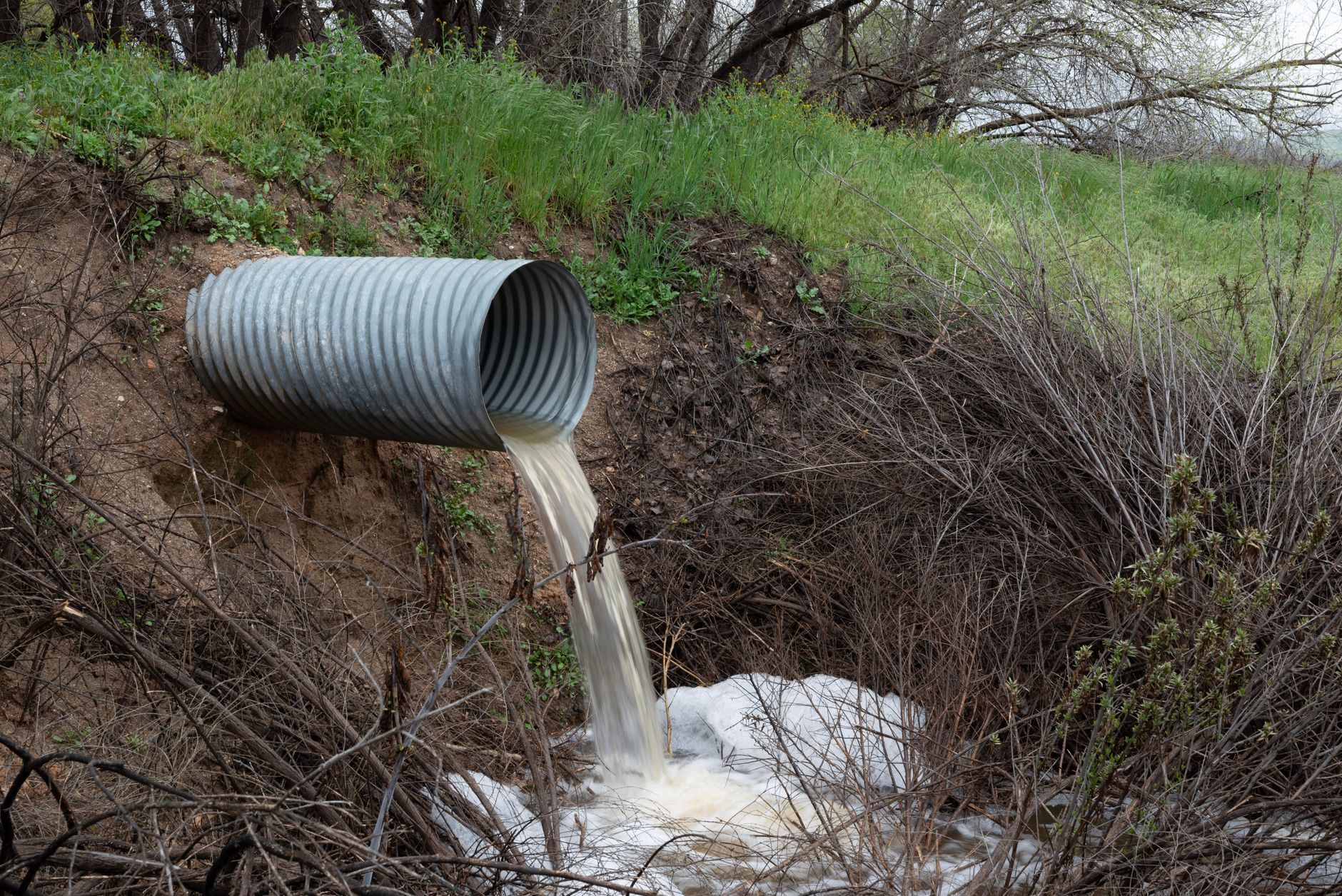
Of the 5,576 single-family parcels in this market's record, 4,645 were built before 1980. The median lot is about 13,000 square feet — large enough that a surprising amount of surface water can accumulate and find its way somewhere unintended. A good number of those lots sit on the hillside areas west of Saratoga-Sunnyvale Road, where slope makes grading decisions consequential in a way that a flat suburban lot simply is not. Add California's pattern of dry summers followed by heavy early-season rains, and you have a housing stock that gets tested hard every November.
Saratoga's homes, from the record
| Built | Homes |
|---|---|
| before 1940 | 187 |
| 1940-1959 | 1,721 |
| 1960-1979 | 2,737 |
| 1980-1999 | 730 |
| 2000 or later | 675 |
| Single-family homes | 5,576 |
|---|---|
| Median lot | 13,000 sq ft |
| On an acre or more | 859 |
| Median size | 2,678 sq ft |
6,050 of 6,184 parcels in this market's record have a known build year.
What grading is actually doing
The ground around your house should slope away from the foundation on all sides. Six inches of drop over the first ten horizontal feet is a standard rule of thumb in the trade, though the appropriate grade for any specific property is something a licensed contractor or inspector evaluates on site. Over time, soil compresses, organic mulch decomposes and settles, and that outward slope flattens or reverses. When it reverses — even slightly — rain that falls near the house stays near the house.
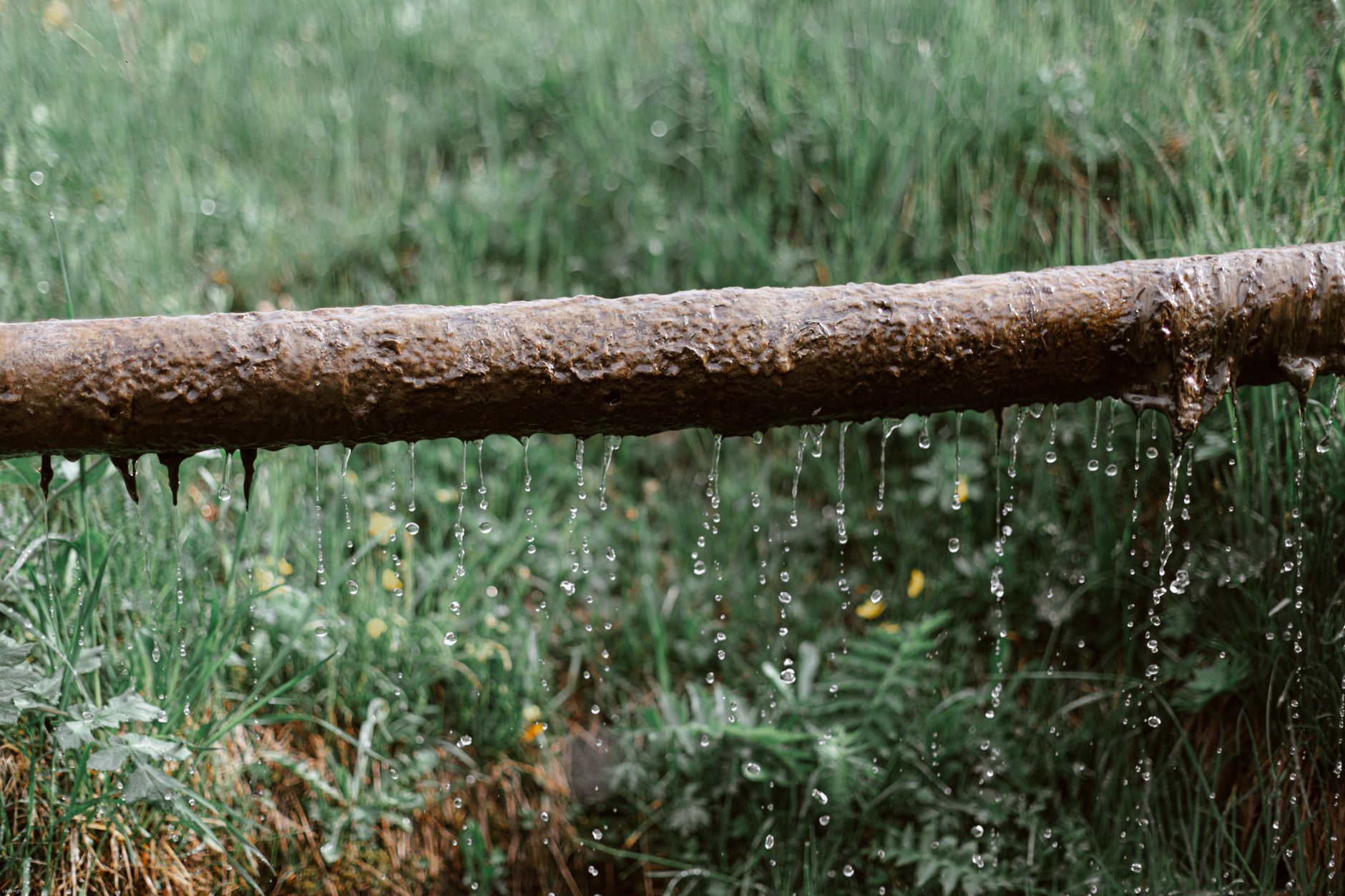
Signs that grading has gone wrong: a low spot against the foundation wall, mulch beds that hold standing water after rain, or a gap between the soil and the sill plate that has narrowed over the years.
Downspouts: they have to go somewhere useful
A downspout that ends six inches from the wall is doing the roof's job and undoing the foundation's. The water discharging from a typical residential roof during a moderate California storm is enough to saturate the soil at the foundation line within minutes. Extensions that carry water at least several feet from the house help, but only if the ground they discharge onto is graded correctly. Splash blocks keep the soil from eroding at the discharge point.
On Saratoga's larger lots, many downspouts connect to underground drains that run to the street or a dry well. These are worth inspecting periodically. Roots from the mature trees that are common on lots in the older hillside neighborhoods are capable of crushing or blocking corrugated plastic drain pipe, and a blocked underground downspout drain is invisible until a crawlspace gets wet.
Crawlspace moisture: the slow problem
Saratoga has a large share of older ranch and split-level homes built over raised foundations with crawlspaces. A crawlspace is a useful diagnostic tool: if moisture is getting into the house somewhere, it usually shows up there first.
What to look for when you go under:
- Standing water or a high-water mark line on the foundation walls
- Efflorescence — white mineral deposits — on concrete block or brick, which indicates water has been moving through the masonry
- A vapor barrier that is torn, incomplete or submerged
- Wood framing that feels soft or shows dark discoloration near the mudsill
- A musty smell that is noticeably worse near the access hatch
Any of these calls for a licensed contractor and possibly a structural pest inspector, who in California is licensed to report on wood-destroying organisms and moisture damage together.
Hillside-specific considerations
For the 859 parcels in this record on one acre or more — many of them in the western foothills — drainage is not just a foundation issue; it is a slope-stability issue. Retaining walls redirect water as well as soil. A wall that is weeping or tilting may be doing so partly because drainage behind it has failed. The relevant authority on grading and drainage work that affects slope stability is the City of Saratoga's Building Division.
The timing window
October is the right moment for this inspection. The ground is dry enough to see the actual grade clearly, before wet soil and leaf debris obscure low spots. Clean gutters and flush downspout drains before the first storm. Walk the perimeter of the house with a critical eye when the ground is dry, and then again after the first significant rain of the season. The difference between what the dry-ground inspection suggested and what the wet-ground reality shows is the information you need.

If what you find is more than cosmetic — actively deteriorating concrete, a foundation crack that is wider at the top than the bottom, wood that has softened — the conversation is with a licensed structural engineer or contractor, not a maintenance checklist.
Where to check
No official sources were used in this piece. For permit requirements related to grading, drainage modifications or retaining walls, contact the City of Saratoga Building Division directly.
Tim McMullen · CA DRE #02016832
[email protected] · (415) 691-9272
More from Saratoga

Campbell, Los Gatos and Saratoga after November 3: what the ballot changed for homeowners
No city measures in Campbell, Los Gatos or Saratoga, but two school taxes falling short, a new open-space parcel tax, Cupertino's park rule, Los Altos' parking lots and a state loan aimed at new townhomes. What each means for owners, buyers, investors, renters and builders.
The only Saratoga listing on October 16 asks $3.9 million
A single-family home on Oakhaven Drive appeared on the MLS feed on October 16. No closings, no pending sales.
One Listing, One Day, $7.85 Million: Cox Avenue Owns October 14 in Saratoga
One single-family home appeared on the MLS feed on October 14. Nothing went pending, nothing closed.